
Global energy markets reacted sharply on Wednesday to reports that the United States is preparing for a long-term blockade of Iranian ports. Brent crude, the international benchmark, climbed above $120 a barrel, briefly hitting a high of $122—its most expensive level since 2022. The surge follows a series of high-level meetings and reports suggesting that the disruption of the Strait of Hormuz will not be resolved in the near term.
White House Strategy and Industry Meetings
President Trump met with top energy executives, including Chevron CEO Mike Wirth, at the White House on Tuesday. While officials described the gathering as a routine industry briefing, the discussion reportedly centered on domestic production, natural gas, and strategies to shield American consumers from the conflict’s fallout.
The meeting coincided with reports from the Wall Street Journal indicating the President has instructed aides to prepare for an “extended” blockade. This strategy aims to squeeze the Iranian economy into a deal, as the administration reportedly views continuing the blockade as less risky than resuming active bombing or withdrawing from the conflict entirely. (BBC, Wall Street Journal)
Crisis in the Strait of Hormuz
The Strait of Hormuz, which typically handles 20% of the world’s oil and liquid natural gas supply, remains a flashpoint. Iran has vowed to continue disrupting traffic in response to US and Israeli strikes that began in late February. Tehran has warned that any vessel approaching the strait will be targeted, while US forces have countered by intercepting ships traveling to or from Iranian ports.
Despite the blockade, analysis by BBC Verify shows at least four vessels have successfully crossed the US blockade line. Nevertheless, the World Bank recently forecast that energy prices could surge by 24% in 2026 if disruptions continue through May, marking the highest levels since the 2022 invasion of Ukraine. (BBC, World Bank)
Economic Impact on Iran and Global Markets
The blockade is having a severe effect on Iran’s domestic economy:
- Inflation: The annual inflation rate has hit 53.7%.
- Currency: The Iranian rial has plummeted to record lows.
- Employment: Approximately two million Iranians have lost their jobs due to the conflict.
On Wednesday, President Trump urged Tehran to “get smart” and sign a deal, claiming the country “couldn’t get its act together” in a post on Truth Social. Meanwhile, global stock markets showed signs of strain, with the FTSE 100 dropping 1.2% and European markets closing lower as investors price in the reality of a prolonged energy crisis. (BBC, XTB Research)
Why This Matters to You
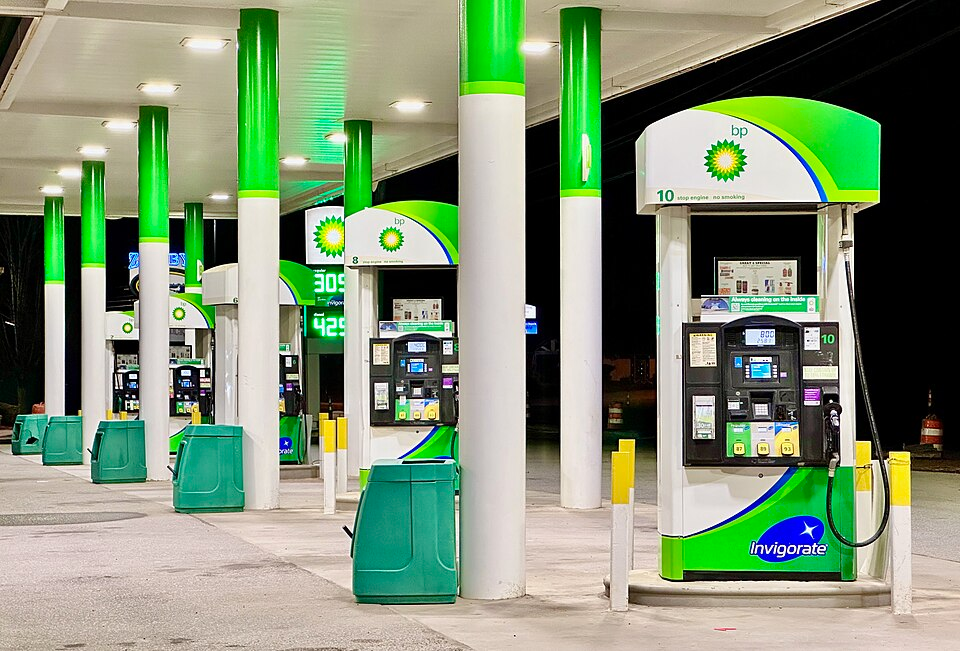
The spike in Brent crude to $122 translates directly to higher costs at the gas pump and increased heating bills. Because oil is a primary cost for shipping and manufacturing, you will likely see a “trickle-down” price hike on everyday groceries and household goods. If the blockade remains “extended” as reported, these high prices could become a long-term fixture of your monthly budget rather than a temporary spike.
Within your community, prolonged energy uncertainty often leads to slower local economic growth. Businesses that rely on transportation or high energy consumption may pull back on hiring or expansion. Furthermore, the World Bank’s warning of a 24% surge in energy prices suggests that the inflationary pressures you are feeling now may not peak for several months, requiring more careful long-term financial planning.
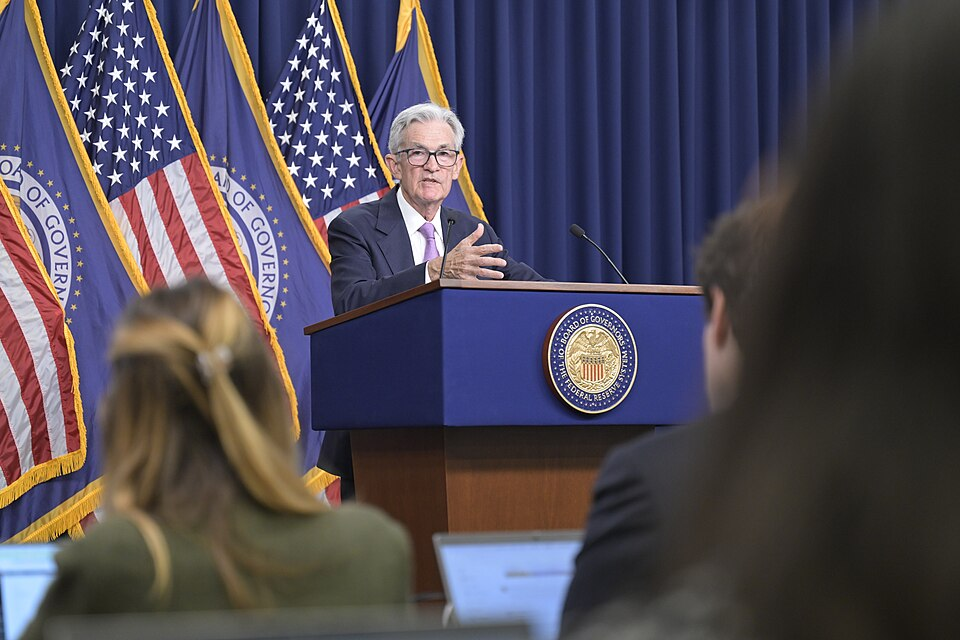
On a personal level, the volatility in the stock market—specifically the dip in major indexes like the FTSE 100—affects retirement accounts and 401(k) plans. With the Federal Reserve watching these developments closely, the prospect of sustained high energy prices may lead to higher interest rates for longer, making it more expensive for you to carry credit card debt or take out a mortgage.
-Elijah Iraheta, Editor in Chief, ASC News