
Israeli naval forces intercepted the “Global Sumud Flotilla” overnight in international waters, stopping the activist fleet hundreds of miles before it could reach the Gaza coast. Organizers of the flotilla, which set sail from Barcelona earlier this month, allege that Israeli commandos “smashed engines” and disabled navigation systems on dozens of vessels, leaving hundreds of civilians stranded in the path of an approaching storm.
Confrontation Near Crete
The interception occurred west of the Greek island of Crete, more than 1,000 kilometers (600 miles) from Gaza. According to the activist group’s tracker, 22 vessels were boarded and seized, while 36 others remained at sea as of midday Thursday. Israel’s Foreign Ministry confirmed it is transporting approximately 175 activists from more than 20 boats to Israel for processing.
Flotilla organizers described the raid as a “violent abduction” of civilians. They accused the Israeli military of jamming communications and intentionally disabling the boats’ power, which left the remaining passengers unable to signal for help. The Israeli military declined to comment on specific allegations of sabotage but maintained the operation was conducted “peacefully and without casualties.” (Associated Press, Reuters)
Diplomatic Fallout and Piracy Accusations
The raid has triggered a sharp diplomatic response, particularly from Turkey. The Turkish Foreign Ministry condemned the seizure as an “act of piracy” and a violation of international law. Turkish Foreign Minister Hakan Fidan reportedly held urgent discussions with his Spanish counterpart to address the status of the activists and vessels.
Israeli Foreign Ministry Spokesman Oren Marmorstein defended the “early action,” stating it was necessary under international law to enforce the naval blockade. Marmorstein further alleged that the flotilla was a Hamas-backed effort designed to sabotage “President Trump’s peace plan” and divert global attention away from Hamas’ refusal to disarm. (BBC, Al Jazeera)
The Humanitarian Backdrop
This latest attempt to break the 17-year blockade comes during a fragile six-month ceasefire in Gaza. While large-scale combat has slowed, the humanitarian situation remains dire, with nearly 2 million residents living among ruins and facing acute shortages of food and medicine.
Organizers intended the flotilla to draw the world’s eye back to the Palestinian enclave, noting that global attention has largely shifted toward the ongoing war between the U.S., Israel, and Iran. This is the second such attempt in a year; a previous effort involving climate activist Greta Thunberg was similarly thwarted by Israeli authorities. (The Guardian, UN News)
Why This Matters to You
The interception of a civilian flotilla in international waters—over 600 miles from the conflict zone—raises significant questions about the freedom of navigation in the Mediterranean. For your wallet, increased military activity in these vital shipping lanes can lead to higher insurance premiums for commercial vessels. This eventually trickles down to the cost of imported goods and energy, as the Mediterranean is a primary corridor for global trade.
In your community, the diplomatic rift between Israel, Turkey, and EU nations like Spain and Greece could impact international cooperation on security and migration. When major regional powers like Turkey label an ally’s military action as “piracy,” it signals a breakdown in the stability of the region. This tension can influence everything from international travel safety to the level of domestic political debate regarding U.S. foreign aid and military involvement.
On a personal level, this event highlights the “forgotten” humanitarian crises that persist even when the news cycle moves on to larger wars. With the U.S. currently engaged in a $25 billion conflict with Iran, the resources and attention available for humanitarian relief in Gaza are thinning. Following this story helps you understand the broader geopolitical “chess board,” where small civilian actions can spark massive diplomatic confrontations that eventually shape the foreign policy of the candidates you vote for at home.
-Elijah Iraheta, Editor in Chief, ASC News
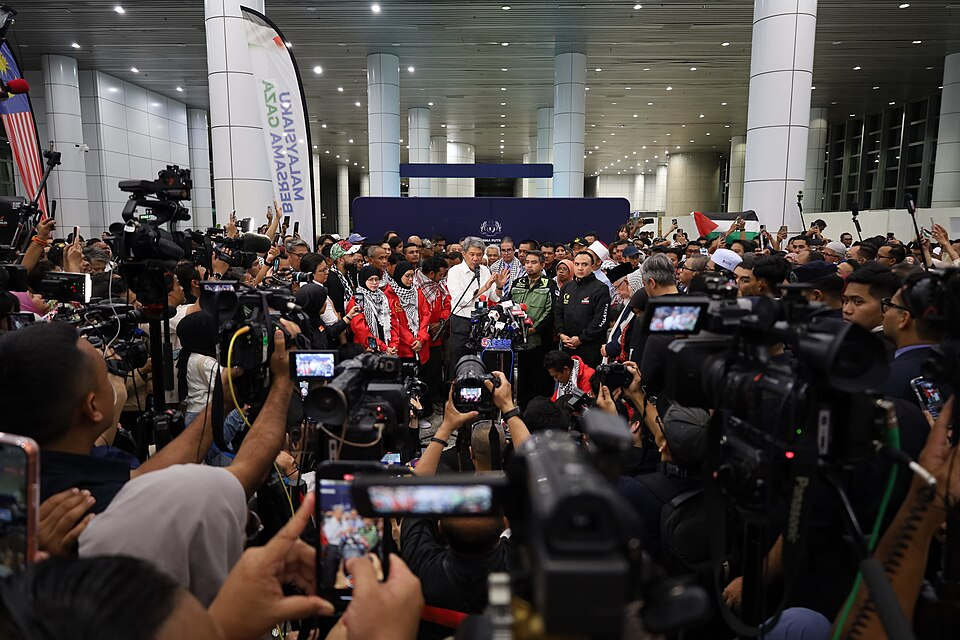
Photo: Ahmad Ali Karim – Creative Commons Zero, Public Domain Dedication