
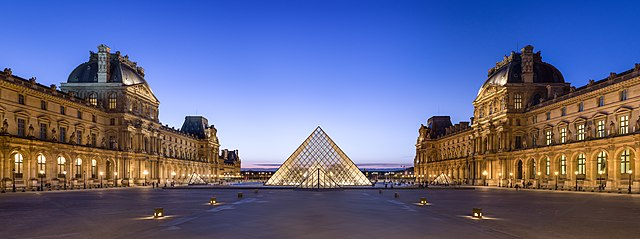
The director of the Louvre Museum, Laurence des Cars, has resigned following months of mounting pressure after a series of crises that have put one of the world’s most visited cultural institutions under intense scrutiny. President Emmanuel Macron accepted her resignation, describing it as an act of responsibility at a moment when the museum needs calm and fresh momentum.
The most significant blow came in October when thieves stole French crown jewels valued at 88 million euros from the Louvre’s Apollo Gallery in under eight minutes, in what many in France considered the most damaging breach of national heritage security in living memory. Several suspects were later arrested but the stolen pieces remain missing. Des Cars had offered to resign on the day of the robbery but was initially refused by the culture minister.
That was far from the only crisis. A wildcat strike in June by front-of-house and security staff forced the museum to shut its doors entirely, stranding thousands of visitors outside the iconic glass pyramid. Workers cited unmanageable overcrowding, understaffing and what unions described as untenable working conditions. A burst pipe near the Mona Lisa in mid-February caused further damage, as did water leaks that affected priceless books in the collection.
The situation deepened further when French authorities revealed a suspected decade-long ticket fraud scheme linked to the museum, estimated to have cost the Louvre around 10 million euros. Prosecutors say tour guides are suspected of reusing the same tickets up to 20 times a day to bring in different visitor groups, sometimes allegedly with help from Louvre employees.
In an interview with Le Figaro published on the day of her resignation, des Cars said she had tried to steer the museum through the fallout but concluded she could no longer lead its transformation in the current institutional climate. She acknowledged the October heist had exposed infrastructure and staffing problems she had been raising since taking office, including aging systems and severe congestion.
Her departure adds political weight to Macron’s sweeping renovation plan for the museum, branded the Louvre New Renaissance. Unveiled in January 2025, the project could take up to a decade and is estimated to cost between 700 and 800 million euros. Plans include a new entrance near the Seine, additional underground spaces and a dedicated room for the Mona Lisa with timed entry, all aimed at managing the mass tourism that has simultaneously made the Louvre world-famous and pushed it to breaking point.

