
Two U.S. Army soldiers went missing Saturday evening in southwestern Morocco while on a recreational hike near the Cap Draa Training Area, close to the Atlantic Ocean, the United States Africa Command (AFRICOM) confirmed Sunday.
The soldiers were participating in African Lion, the largest annual U.S. joint military exercise on the African continent, but were not engaged in any active training at the time of the incident. “The day’s exercises had concluded, and, from our understanding, they were out on a recreational hike,” a U.S. defense official told the Associated Press on condition of anonymity, as they were not authorized to speak publicly on the matter.
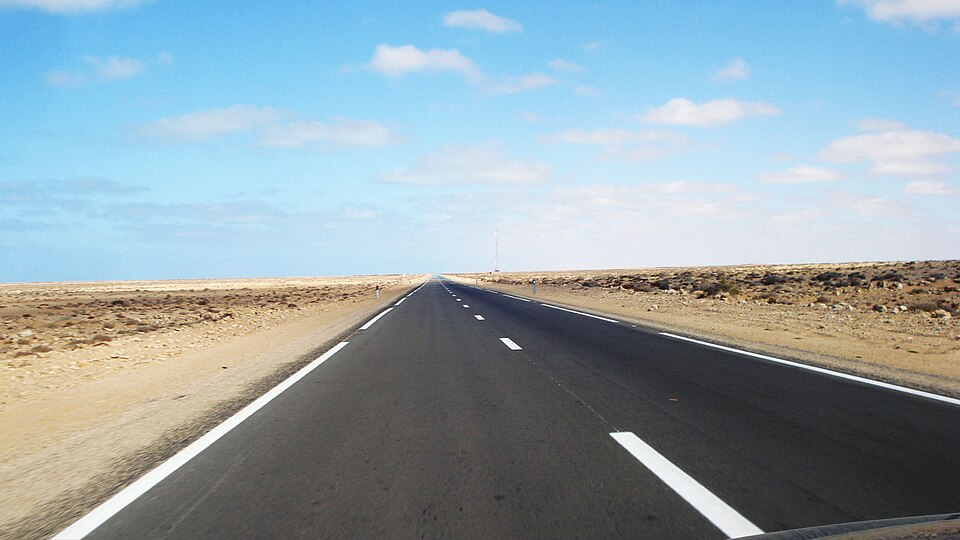
The soldiers were last seen near ocean cliffs in the vicinity of the Cap Draa Training Area at approximately 9 p.m. local time Saturday. When they did not return as expected, U.S. and Moroccan personnel immediately initiated a joint search and rescue operation. The search effort includes helicopters, naval vessels, mountain rescue units, and divers. The terrain in the area is mountainous, characterized by a mix of desert and semi-desert plains.
AFRICOM stated that the incident remains under investigation and that the search is ongoing.
African Lion 2026 began in April and spans four host nations — Morocco, Tunisia, Ghana, and Senegal — with more than 7,000 personnel from over 30 countries participating. The exercise is scheduled to conclude in early May. Participants include active-duty members of multiple U.S. military branches, including the National Guard, Army Reserve, Air Force, and Marine Corps.
This is not the first time American service members have been lost during African Lion operations. In 2012, two U.S. Marines were killed and two others injured in a helicopter crash near Agadir, Morocco, while participating in the exercise.
Morocco is considered a major U.S. strategic partner in a region that has seen significant political instability in recent years. Since 2020, military coups have toppled democratically elected governments in Mali, Burkina Faso, and Niger, with those nations subsequently distancing themselves from Western security partnerships — making Morocco’s continued alliance with the United States an increasingly important anchor for U.S. engagement on the continent.
ASC News will continue to monitor this developing story and update as new verified information becomes available.
Why This Matters to You
For military families, this story is a sobering reminder that service members face risks not only in combat but in the full scope of their deployments — including off-duty hours in unfamiliar and challenging terrain. If you have a loved one participating in African Lion or any overseas exercise, AFRICOM’s public affairs channels are the appropriate point of contact for official information.
In your community, exercises like African Lion may seem distant, but they are directly connected to U.S. national security interests at home. The partnerships built through these annual exercises strengthen the ability of the U.S. military to respond to crises in regions where instability — including terrorism and the rise of anti-Western military governments — can have downstream effects on global supply chains, energy markets, and immigration patterns that eventually reach American shores.
On a personal level, the broader context of this story matters. West Africa is undergoing a significant geopolitical realignment, with several nations that were once U.S.-aligned now moving closer to Russia and China following a wave of military coups. Morocco’s continued partnership with the United States is a stabilizing force in that environment. How the U.S. manages this relationship — and how it responds to incidents like this one — sends a signal to allies and adversaries alike about the reliability and presence of American engagement on the continent.
-Elijah Iraheta, Editor-in-Chief, ASC News