

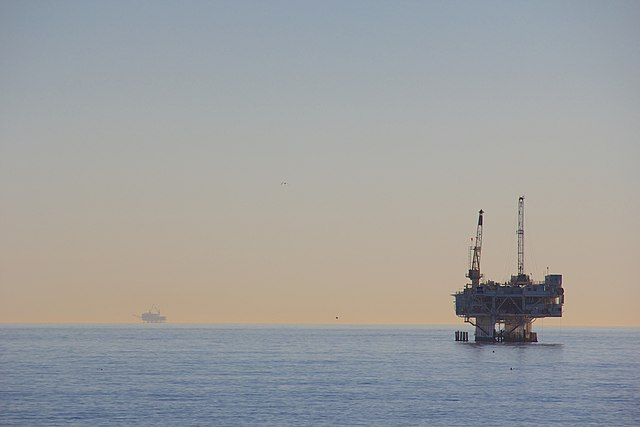
Iran launched its most devastating energy infrastructure attacks of the war on Thursday, striking oil and gas facilities across Qatar, Saudi Arabia, Kuwait and the UAE in retaliation for an Israeli strike on South Pars, the world’s largest natural gas field. Brent crude briefly surged above $119 a barrel before pulling back to around $108 after Netanyahu said Israel would stop striking Iranian energy sites and was working to help reopen the Strait of Hormuz. The war is now in its twentieth day and the human, financial and economic toll is accelerating rapidly.
The Energy Infrastructure Phase
Thursday marked what analysts are calling the war’s decisive shift into an energy infrastructure phase. Israel struck South Pars, the massive offshore gas field Iran shares with Qatar, on Wednesday. Iran retaliated by hitting Ras Laffan, the world’s largest LNG facility, for the second time in weeks. Qatar said the damage was extensive and repairs could take three to five years. QatarEnergy said nearly a fifth of the facility’s export capacity was knocked out. Qatar, which normally supplies approximately 20% of the world’s LNG, has now halted all gas production. Qatar expelled Iran’s military attachés in response and its prime minister said the attacks had “significant repercussions for global energy supplies.” (NPR, Newsweek, CBS News)
Iran’s IRGC declared Gulf energy sites were “legitimate targets” and published a specific target list naming Saudi Arabia’s SAMREF refinery and Jubail petrochemical complex, the UAE’s Al Hosn gas field, Qatar’s Ras Laffan refinery and Mesaieed complex. Saudi Arabia said its SAMREF refinery in Yanbu on the Red Sea was struck. The Yanbu route had been Saudi Arabia’s bypass strategy for avoiding the Strait of Hormuz. That bypass is now under attack too. Kuwait said two of its refineries were hit by drones, with fires breaking out before being contained. Abu Dhabi said it was forced to shut the Habshan gas facility and Bab field after overnight strikes. (AP, CBS News, Euronews)
The UAE reported intercepting seven Iranian missiles and 15 drones Thursday alone. Since the war began, UAE air defenses have intercepted more than 334 ballistic missiles and 15 cruise missiles launched from Iran. (CBS News)
The Oil Price Whipsaw
Brent crude hit $119 before pulling back to around $108 after Netanyahu’s statement and Trump’s comments that he had told Netanyahu not to strike any more Iranian energy infrastructure. WTI closed at $96.14. The European TTF natural gas benchmark surged 24% on Thursday. American gas prices were approaching $4 a gallon. Dan Pickering, founder of Pickering Energy Partners, summed up the shift: “We’re moving from a supply chain problem to potentially a supply problem. There’s a big difference. You fix supply chain problems quickly.” (CNBC, CBS News)
India confirmed it had negotiated passage for 22 ships through the Strait of Hormuz with Iranian cooperation, of which two had already reached India. India is simultaneously increasing energy purchases from Russia. (CNBC)
Trump’s Disconnect With Israel
Trump publicly said the US “knew nothing” about Israel’s South Pars strike. Israeli officials told Newsweek the US was informed ahead of time. Trump said he told Netanyahu “don’t do that” but the strike happened anyway. Trump then warned Iran on Truth Social that if it continued hitting Qatar’s LNG infrastructure, the US would “massively blow up the entirety” of South Pars with “an amount of strength and power that Iran has never witnessed before.” He later told reporters he was “not putting troops anywhere.” Netanyahu subsequently pledged to stop attacking Iranian energy sites and said Iran had lost the ability to enrich uranium or manufacture ballistic missiles, a claim that helped oil pull back from its highs. (Newsweek, CNN, CBS News)
The Trump administration also bypassed Congress to expedite emergency weapons sales to the UAE, Kuwait and Jordan, invoking an emergency waiver from congressional review requirements. (CNN)
The War’s Rising Costs
The Pentagon is requesting $200 billion in additional war funding. Defense Secretary Hegseth said that number “could move.” Trump confirmed the request and called it “a small price to pay.” The request would go beyond war costs alone and include broader military resupply and modernization. Republicans on the Senate Armed Services Committee said public hearings would be required for a spending request of that scale. (NPR, CNN, Newsweek)
DNI Tulsi Gabbard told Congress that Iran’s new supreme leader Mojtaba Khamenei was seriously injured in an Israeli attack. More than 1,300 people have been killed in Iran since February 28. More than 1,000 have been killed in Lebanon. Fifteen Israelis have been killed by Iranian missile fire. Thirteen US service members have been killed. Iran executed three men detained during January’s protests, the first executions known to have been carried out since the war began. (AP, Newsweek)
The World Trade Organization warned Thursday the conflict could reduce global trade growth by an additional 0.5 percentage points if energy prices remain elevated, on top of a forecast already downgraded from 4.6% to 1.9% for 2026. (Newsweek)
Why This Matters to You
The damage to Qatar’s Ras Laffan facility is not a temporary disruption. Experts say repairs could take three to five years. That is not a short-term supply chain problem. It is a structural change to the global energy market that will affect heating bills, electricity prices and the cost of manufacturing for years after the war ends. And that is before factoring in the disruption to the Strait of Hormuz, the Saudi bypass route now under attack, or the broader collapse of Gulf energy export capacity.
For everyday Americans, gas prices approaching $4 a gallon are the visible tip of a much larger economic shift underway. With the Pentagon requesting $200 billion in new funding and the war now in its third week with no ceasefire in sight, the financial cost to the United States alone is accelerating. It is worth thinking about: If the US did not authorize Israel’s South Pars strike but it happened anyway, how much control does Washington actually have over how this war is prosecuted? With Qatar’s Ras Laffan potentially out of service for five years, what does that mean for European energy security given Europe’s heavy dependence on Qatari LNG after cutting Russian gas? And with Iran executing prisoners during an active war while Hegseth threatens more leadership killings, is either side leaving any room for a negotiated off-ramp?
-Elijah Iraheta, Editor in Chief, ASC News