
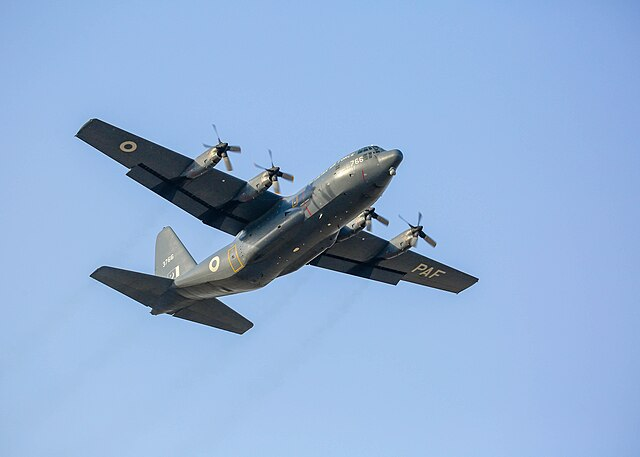
Afghanistan accused Pakistan of killing at least 400 people in a Monday night airstrike on a drug rehabilitation hospital in Kabul, in what would be the deadliest single incident of a conflict that has now raged for three weeks. Pakistan flatly denied striking a hospital, saying its forces targeted only military infrastructure. Independent verification of either account has not been possible.
What Happened
The attack on Kabul’s Omar Addiction Treatment Hospital, also known as the Omid or Hope hospital, took place at approximately 9 p.m. local time. The facility is a 2,000-bed rehabilitation center for people battling addiction, located in a former NATO camp. Large sections of the building were destroyed.
Afghan firefighters and Taliban security forces worked through the night to extinguish fires and carry the dead and injured on stretchers. Ambulance driver Haji Fahim told Reuters: “When I arrived last night, I saw that everything was burning, people were burning. Early in the morning they called me again and told me to come back because there are still bodies under the rubble.”
AFP and the Associated Press reported rescue crews pulling bodies from the rubble. AFP journalists on the ground counted at least 30 bodies being removed and saw medics treating dozens of wounded. The death toll ministry spokesman Sharafat Zaman warned could rise further as crews continued to dig through debris on Tuesday morning. (CBS News)
Pakistan’s Response
Pakistan’s Information Minister Attaullah Tarar said the military carried out precision airstrikes on the night of March 16, targeting Afghan Taliban military installations in Kabul and Nangarhar. He said technical support infrastructure and ammunition storage facilities at two locations in Kabul were destroyed and that “all targeting has been done with precision only at those infrastructures which are being used by Afghan Taliban regime to support its multiple terror proxies.”
Videos shared with CBS News by the Taliban showed the hospital burning but did not appear to show secondary explosions or evidence of munitions storage that might support Pakistan’s account.
International Reaction
The UN Assistance Mission in Afghanistan said it documented the strike as hitting the hospital for people with drug addiction and invoked international law, stating that attacks on hospitals and civilian facilities are strictly prohibited. The UN Special Rapporteur for human rights in Afghanistan, Richard Bennett, said he was “dismayed” and urged both parties to exercise maximum restraint.
China, which has been mediating between the two sides through a special envoy, urged both countries to remain calm, achieve a ceasefire at the earliest opportunity and resolve differences through dialogue. “China will continue to facilitate reconciliation and ease tensions,” the foreign ministry said.
UNAMA said it had documented at least 76 civilian deaths and 213 injuries in Afghanistan from the hostilities since February, not including the hospital strike. “Across Afghanistan, civilians continue to pay the price for the ongoing conflict between Afghanistan and Pakistan,” it said.
How It Got Here
The conflict began in late February after Pakistan launched airstrikes inside Afghanistan that Kabul said killed civilians. Afghanistan retaliated with cross-border attacks. A Qatar-brokered ceasefire from October collapsed. Pakistan declared it was in “open war” with Afghanistan and has claimed its forces killed 684 Taliban fighters, a figure Afghanistan rejects. The conflict is the most severe ever between the two countries and has alarmed the international community given the presence of al-Qaeda and the Islamic State group in the region. (Al Jazeera, CNN, NPR)
Why This Matters to You
If the Afghan account is accurate, Monday night’s strike was one of the deadliest attacks on a civilian medical facility since the Syrian civil war. The world is already managing an active US-Israeli war in Iran, a collapsed Strait of Hormuz and a ground invasion of Lebanon. A simultaneous mass casualty event at a hospital in Kabul, involving two nuclear-armed nations, is not a regional footnote. It is a crisis in its own right.
For the global community, the timing could not be worse. Every major diplomatic channel is stretched thin. The UN is calling for restraint. China is mediating. Neither side is listening. It is worth thinking about: If Pakistan did strike a drug rehabilitation hospital housing hundreds of patients, what consequences should follow under international humanitarian law? With both nations nuclear-armed and the death toll potentially still rising, at what point does this conflict require a mandatory UN Security Council intervention rather than a voluntary ceasefire appeal? And with the Iran war, the Lebanon ground invasion and the Pakistan-Afghanistan conflict all escalating simultaneously, is the international community’s capacity to manage multiple crises at once being pushed past its limits?
-Elijah Iraheta, Editor in Chief, ASC News

