
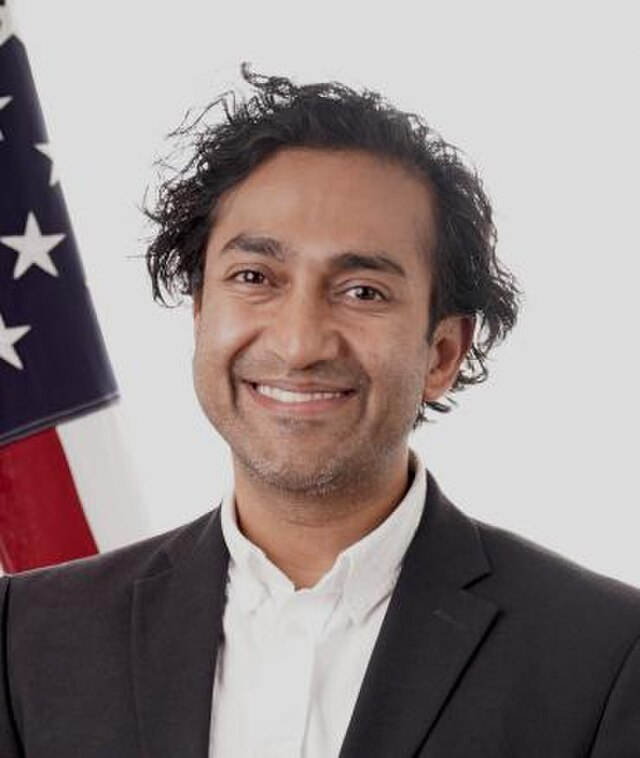
Dr. Vinay Prasad, the FDA’s top vaccine and biologics regulator, is leaving the agency for the second time in less than a year. FDA Commissioner Marty Makary announced the departure in a late Friday email to staff, saying Prasad will leave at the end of April and return to his academic position at the University of California, San Francisco. A replacement has not yet been named, though Makary said a successor will be appointed before Prasad’s departure. (STAT News, statnews.com)
A Turbulent Tenure
Prasad first left the FDA in July, less than three months into the job. That departure came after right-wing activist Laura Loomer accused him of being politically aligned with liberals and expressing disdain for President Trump. He was reinstated just two weeks later with the backing of Health Secretary Robert F. Kennedy Jr. and Commissioner Makary. (CNN, cnn.com)
This second exit follows a string of high-profile disputes with pharmaceutical companies, investors and members of Congress. According to investment firm RTW Investments, the FDA denied or discouraged approval applications for at least eight drugs during Prasad’s tenure, citing issues with the data companies used to support their applications. (CNBC, cnbc.com)
The Moderna mRNA Flu Vaccine
One of the most significant controversies came when Prasad’s office refused to accept Moderna’s application to review a new mRNA flu vaccine. The rejection was highly unusual for the FDA. Moderna later re-submitted the application under different age parameters, and the FDA ultimately agreed to accept it for review pending an additional study. (ABC News, abcnews.com)
The Huntington’s Disease Dispute
The most recent controversy involved UniQure, a small biotech company developing a gene therapy for Huntington’s disease, a fatal condition affecting about 40,000 Americans. The FDA demanded a new trial requiring sham brain surgery on some patients, which UniQure said contradicted prior agency guidance and raised serious ethical concerns. The FDA then held an unusual press conference in which a senior official called the company’s original study results unequivocally negative and said the agency had “a failed product here.” Axios reported that a key question now is whether the FDA will reconsider UniQure’s application and others recently denied under Prasad’s leadership. (Axios, axios.com)
COVID Vaccines and Unsubstantiated Claims
In November, Prasad sent a memo to FDA staff claiming COVID shots had killed at least 10 children and stating the agency did not have reliable data on the vaccines’ benefits in healthy kids. He provided no supporting evidence or documentation. Twelve former FDA commissioners subsequently denounced the statements in the New England Journal of Medicine. The CDC’s own research has consistently found that COVID vaccines protect children against severe illness. (NBC News, nbcnews.com)
Broader FDA Instability
Prasad’s exit is the latest in a pattern of leadership turnover at the agency. The Center for Drug Evaluation and Research had five different directors in 2025 alone. Richard Pazdur, a longtime cancer drug regulator, retired in December citing concerns that political officials were corrupting the agency’s scientific process. (STAT News, statnews.com)
Makary praised Prasad’s tenure in his public statement, citing a record number of drug approvals in December and crediting him with limiting COVID vaccine approvals to those over 65 or at risk of severe illness.
Why This Matters to You
The FDA exists to protect the public by ensuring drugs and vaccines are safe and effective before they reach patients. When leadership changes repeatedly and decisions swing unpredictably, that mission becomes harder to carry out. For patients with rare diseases waiting for life-saving treatments, instability at the FDA is not an abstract concern. It means years of additional waiting and millions more in costs for the companies trying to help them.
For everyday Americans, the FDA’s credibility on vaccines matters deeply. When a senior official claims COVID shots killed children without providing evidence and is later contradicted by twelve former commissioners, it erodes public trust in the very agency responsible for protecting health. It is worth thinking about: Should a regulatory body like the FDA be insulated from political pressure the way federal courts are? With at least eight drug applications rejected or stalled under Prasad’s tenure, what happens to the patients counting on those treatments? And with yet another leadership change underway, how long before the FDA can restore consistency and confidence in its review process?
-Elijah Iraheta, Editor in Chief, ASC News

