
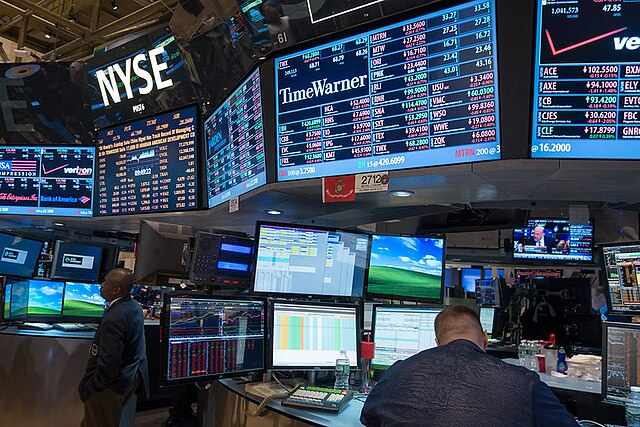
US stock markets ended Monday in mixed territory as investors processed the fallout from the joint US and Israeli strikes on Iran over the weekend. The Nasdaq briefly turned positive, finishing up 0.1%, while the Dow Jones dropped 118 points and the S&P 500 lost 0.2%. Both the Dow and S&P 500 had been down as much as 1.2% at their lowest points before technology stocks including Nvidia and Microsoft helped trim losses.
Gold futures jumped 1% as investors moved into safe-haven assets. The CBOE Volatility Index, Wall Street’s fear gauge, hit its highest level of 2026 so far, reflecting the uncertainty gripping markets.
The strikes killed Iranian Supreme Leader Ayatollah Ali Khamenei over the weekend, a watershed moment for the Islamic Republic. Iranian officials have vowed forceful retaliation, and explosions were reported in Dubai and Abu Dhabi. President Trump told CNBC that military operations are ahead of schedule, but investors remain cautious about a prolonged conflict.
Oil prices were a major story on Monday. US crude gained more than 6% as investors worried the conflict could disrupt supplies through the Strait of Hormuz, the world’s most critical chokepoint for global oil flows. Iran is OPEC’s fourth largest producer. Analysts warned that a sustained disruption there could reignite global inflation. However, crude prices did pull back from their daily highs, which helped stabilize sentiment slightly.
Defense stocks were among the day’s biggest winners. Northrop Grumman and RTX each gained around 4%, while Lockheed Martin climbed 3%. Energy shares including Exxon Mobil and Chevron also saw gains.
Analysts cautioned that the geopolitical escalation is hitting markets at an already fragile moment. The S&P 500 finished February in the red amid ongoing concerns about AI disruption to business models and potential layoffs. Barclays analyst Ajay Rajadhyaksha warned it is too early to buy any dip this week, noting investors have grown used to quick de-escalation patterns that may not apply here.
Why This Matters to You:
Market volatility and rising oil prices have direct consequences for everyday people. Higher crude prices typically translate to higher fuel costs at the pump within days. If the Strait of Hormuz is disrupted for any significant period, the ripple effects across energy, food and consumer goods could push inflation higher at a time when many households are already feeling financial pressure.
For anyone with savings, a pension or investments in index funds, the volatility gripping markets right now is worth watching closely. Defense stocks surging while tech and broader markets wobble reflects a market pricing in a prolonged conflict rather than a quick resolution.
It is worth thinking about: How long can markets absorb this level of geopolitical uncertainty before it starts affecting jobs and consumer spending? If oil prices stay elevated, how quickly will that feed into everyday costs? And with AI disruption already weighing on sentiment, are we heading into a period of compounding economic pressures that go well beyond the Middle East?

