
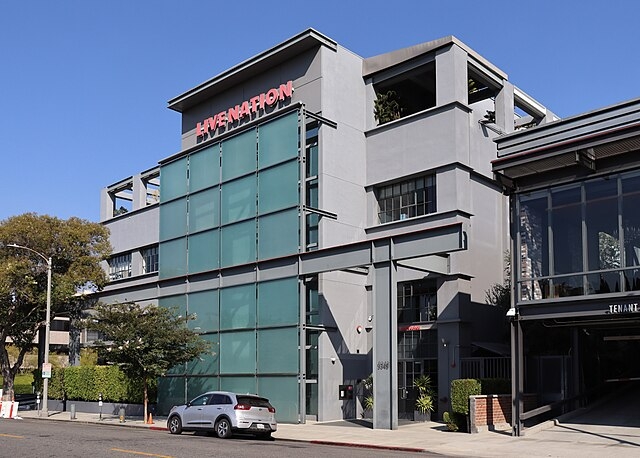
Live Nation has reached a settlement with the Department of Justice in its high-profile antitrust case, ending a trial that had barely begun. The deal was confirmed in a Manhattan federal court hearing Monday morning, just one week after a 12-person jury was seated and trial testimony began. Live Nation shares rose 4.5% in premarket trading following the news. (Reuters, Pollstar)
What the Settlement Requires
The agreement has several major components. Live Nation will pay approximately $200 million in damages to the 39 states and the District of Columbia that joined the suit. The company will divest up to 13 amphitheaters, creating more independently operated venues and reducing its control over what the government called a scarce and strategically vital category of live music infrastructure. Live Nation currently controls roughly 78% of the country’s major amphitheaters. (Pollstar, Reuters)
Ticketmaster will be required to open parts of its technology platform to competing ticketing companies, allowing rivals such as SeatGeek and Eventbrite to list tickets directly through its system. Exclusivity contracts that Ticketmaster has historically used to lock venues into its platform will be capped at four years. Venues will also be permitted to allocate a portion of their ticket inventory to competing platforms. Service fees at Live Nation amphitheaters will be capped at 15% of a ticket’s face value. (Reuters, Politico)
Critically, the settlement does not require Live Nation to sell Ticketmaster. The DOJ had originally argued for a full divestiture of the ticketing company. That outcome will not happen under this deal. (Axios, Bloomberg)
A Surprise End to the Trial
The timing of the settlement drew pointed criticism from the presiding judge. The deal was reportedly agreed to on Thursday, but trial continued through Friday without the court being informed. When the settlement was disclosed Monday morning, Judge Arun Subramanian said it showed “absolute disrespect for the court, for the jury, for this entire process, and it is entirely unacceptable.” A Live Nation attorney said she had been unaware of the settlement as the trial proceeded Friday. (Pollstar)
Reaction From the Industry
Not everyone is celebrating. Stephen Parker, executive director of the National Independent Venue Association, which represents nearly 2,000 independent venues and has long criticized Live Nation’s market dominance, said in a statement to Variety that the $200 million payment is roughly equivalent to four days of Live Nation’s 2025 revenue. “The reported settlement does not appear to include any specific and explicit protections for fans, artists, or independent venues and festivals,” Parker said. He also raised concerns that opening Ticketmaster’s platform to resale companies could further empower ticket scalpers and worsen price gouging for fans. (Variety)
Live Nation previously reported record revenue of $25.2 billion in 2025, along with operating income of $1.3 billion. The company has consistently maintained the allegations were baseless and that neither the lawsuit nor its outcome would lower ticket prices for fans. (Variety)
How It Got Here
The DOJ, joined by 40 state attorneys general, originally sued Live Nation in May 2024 under the Biden administration, alleging the company had built and maintained an illegal monopoly over live events through its combined control of ticketing, venues and artist promotion. A 2019 DOJ probe had already found the company violated an earlier consent decree stemming from its 2010 merger with Ticketmaster. The Taylor Swift Eras Tour disaster in 2022, which saw millions of fans locked out of ticket queues for hours, accelerated congressional and regulatory pressure on the company. (Wikipedia)
During the trial’s first week, the DOJ played a recording of Live Nation CEO Michael Rapino telling a representative for Brooklyn’s Barclays Center that it would be “tough to deliver concerts” to the venue if it switched from Ticketmaster to rival SeatGeek. A Barclays representative testified that when the arena did switch, it saw “a dramatic decline in shows booked.” (Variety)
Why This Matters to You
If you have ever bought a concert ticket and been frustrated by high fees, long queues or limited options, this settlement is directly relevant to you. Ticketmaster processes roughly 500 million tickets per year and has long dominated the live events industry in a way that left consumers with few alternatives. The structural changes in this deal, if properly enforced, could introduce more competition into a market that has had very little of it for over a decade.
However, critics are right to point out that a $200 million fine is a fraction of Live Nation’s annual revenue and that Ticketmaster remains under the same corporate umbrella. It is worth thinking about: Will opening Ticketmaster’s platform to competitors actually lower ticket prices or just add more layers of resale activity? With Live Nation retaining ownership of Ticketmaster and the majority of its amphitheaters, how much has the competitive landscape actually changed? And with the judge expressing frustration over how the settlement was handled, could the terms still face legal scrutiny before they are fully approved?
-Elijah Iraheta, Editor in Chief, ASC News

