
*Scroll to bottom to see how this affects you*
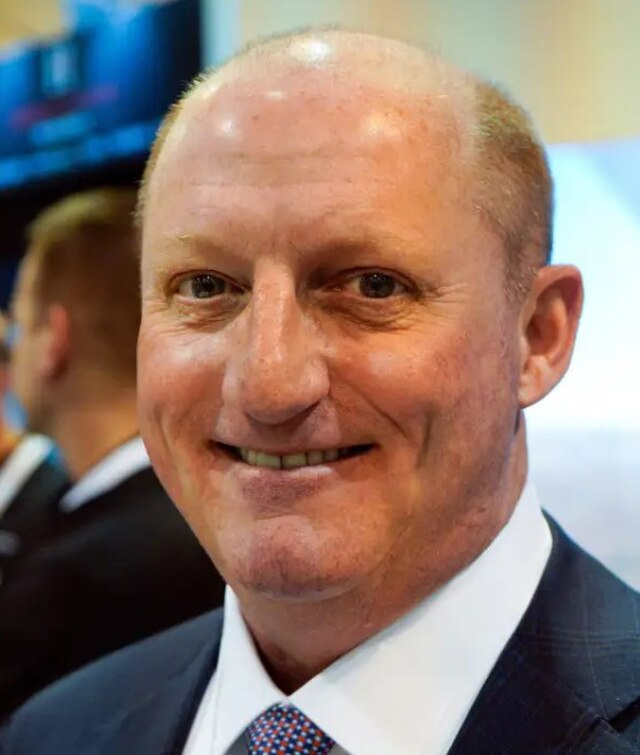
Greg Abel has written his first annual shareholder letter as CEO of Berkshire Hathaway, using it to send a clear message to investors: the culture Warren Buffett built is not going anywhere. Abel, 63, took over from the 95-year-old Buffett at the start of 2026, with Buffett stepping back to the chairman role while remaining actively engaged and still coming into the office five days a week.
Abel laid out the foundational values he intends to uphold, centering on financial conservatism, disciplined investing and a decentralized management model. He described Berkshire’s balance sheet as fortress-like and emphasized the company’s commitment to using debt sparingly. The company ended 2025 with a cash pile of $373.3 billion, which Abel framed as strategic dry powder rather than a retreat from investing, saying it allows Berkshire to act decisively when the right opportunities arise.
On dividends, Abel confirmed the long-standing policy will not change. Berkshire will not pay dividends as long as retained earnings can generate more than a dollar of market value for every dollar held. He also confirmed that Berkshire’s equity portfolio will remain concentrated in a small group of long-term American holdings including Apple, American Express, Coca-Cola and Moody’s, and that he will personally oversee the portfolio. Investment manager Ted Weschler will continue managing around 6% of the portfolio.
Abel also settled questions about his long-term commitment to the role, writing that his intention is that shareholders or their descendants will be proud of the company 20 years from now. He also made clear Berkshire will not adopt quarterly earnings calls, saying the company concentrates on quality over frequency and will communicate when something significant arises.
Why This Matters to You:
Berkshire Hathaway is one of the largest and most widely held companies in the world, with investments spanning insurance, energy, railroads, consumer goods and some of the biggest names in American business. If you hold Berkshire stock directly, own index funds or have a pension or 401k invested in the US market, there is a good chance Berkshire’s performance affects your financial future. Abel’s letter signals stability, which markets and long-term investors generally welcome. But it also raises questions worth thinking about: With Buffett stepping back, can Abel truly replicate the kind of instinctive deal-making that made Berkshire what it is? With $373 billion in cash sitting on the sidelines, what kind of acquisition or investment would it take for Abel to pull the trigger? And in a world increasingly focused on short-term results and quarterly earnings, does Berkshire’s patient, long-term approach still hold an edge?

