
The war between the US, Israel and Iran entered its sixth day on Thursday with no signs of de-escalation. Israel continued strikes on targets in Tehran, a military facility in Qom and air defenses in Isfahan. Iran fired another salvo of missiles at Israel, with sirens sounding across Tel Aviv and Jerusalem. Meanwhile, hundreds of ships remain stranded in the region as Iran’s threats to strike vessels in the Strait of Hormuz continue to disrupt up to 20% of global oil trade.
US Congress Allows Strikes to Continue
In a significant development, US lawmakers voted against curbing President Trump’s military options in Iran. The vote effectively allows the intervention to continue at full force without congressional restrictions.
France Offers Limited Support
France has authorised US military support aircraft to use its Istres air base, but with strict conditions. French military officials said they obtained full guarantees that the planes would not be used in combat operations against Iran. The aircraft are limited strictly to supporting the defense of regional partners. France also deployed its Charles de Gaulle aircraft carrier, the only nuclear-powered carrier outside the US fleet, to the eastern Mediterranean earlier this week. It carries 20 Rafale fighter jets and two airborne early warning aircraft.
Lebanon Bans IRGC Activity
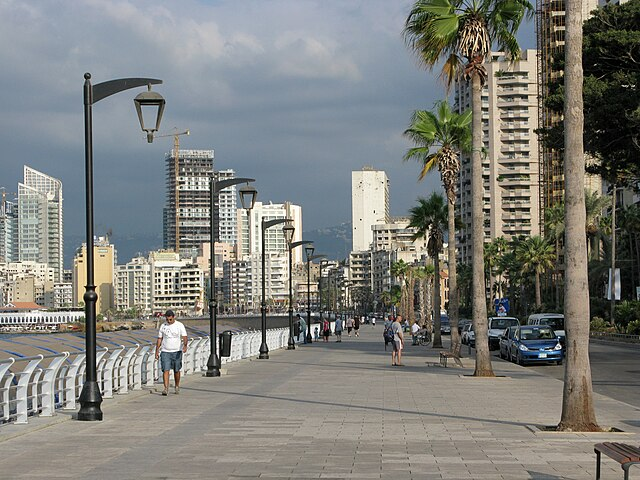
The Lebanese government took a significant step on Thursday, announcing a ban on all activity by Iran’s Revolutionary Guard Corps within its territory. Information Minister Paul Morcos said the cabinet decided to prevent any IRGC activity from Lebanese soil, detain members through the judiciary and deport them. Iran will now also require a visa to enter Lebanon.
EU and Gulf States Call for Diplomacy
Foreign ministers from the European Union and the Gulf Cooperation Council met virtually on Thursday and issued a joint statement calling Iran’s attacks on its neighbours inexcusable and unjustifiable. They called for dialogue and diplomacy to resolve the crisis and agreed to joint diplomatic efforts to prevent Iran from acquiring a nuclear weapon and to stop the production and proliferation of ballistic missiles and drones.
Azerbaijan Puts Army on Combat Readiness
Azerbaijan President Ilham Aliyev announced his country’s army had been brought to full combat readiness after Iranian drones struck Nakhchivan International Airport. Aliyev called it an act of terror and demanded an apology and criminal accountability from Iranian officials. Iran denied the drones came from its positions.
Why This Matters to You
The disruption to the Strait of Hormuz is now directly affecting global oil supply chains. With hundreds of ships stranded and up to 20% of global oil trade affected, fuel prices and the cost of goods are likely to rise further in the weeks ahead. The longer this disruption continues, the more it will filter through to everyday prices at the pump and in supermarkets.
The conflict is also expanding geographically with every passing day. Azerbaijan is now on combat alert. Lebanon is expelling Iranian forces. France is deploying its aircraft carrier. What began as a US and Israeli military operation against Iran is rapidly drawing in more nations. It is worth thinking about: At what point does a conflict involving this many countries require a formal international response through the UN or another multilateral body? With Congress voting to allow the strikes to continue unchecked, what democratic oversight exists over this military campaign? And with the Strait of Hormuz still disrupted on day six, how much longer can the global economy absorb this level of energy market disruption?

