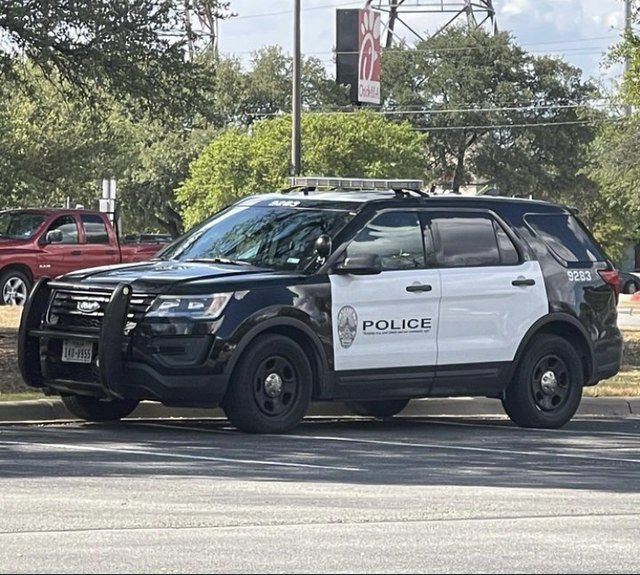

Austin police have identified three of the people killed in Sunday’s mass shooting at Buford’s bar on West Sixth Street. The victims are 19-year-old Ryder Harrington, 21-year-old Savitha Shan and 30-year-old Jorge Pederson. The suspected shooter, 53-year-old Ndiaga Diagne, was fatally shot by officers within a minute of the first 911 call. The total death toll now stands at four, including Diagne, with up to 13 others wounded.
What We Know About the Shooter
Diagne was originally from Senegal. He first entered the US on a tourist visa in 2000, was married in 2006 and became a naturalized citizen in 2013. He had no prior contact with Austin police or the FBI before the shooting. However, he was arrested in Texas in 2022 following a car crash.
Investigators say Diagne fired into the bar from a vehicle before getting out and continuing to shoot into crowds outside. Notably, Austin Police Chief Lisa Davis confirmed Monday that Diagne was wearing a shirt related to Iran at the time of the attack.
Investigation Still Ongoing
The FBI’s Joint Terrorism Task Force is investigating alongside Austin police. FBI Special Agent in Charge Alex Doran described the attack as an act of targeted violence but said investigators have not yet determined an ultimate motivation. Both the FBI and APD said Diagne was not on their radar before Sunday.
Texas Governor Greg Abbott had warned Sunday against potential attacks connected to US military actions in Iran. However, authorities have stopped short of formally classifying the shooting as terrorism.
Community Response
Austin Mayor Kirk Watson praised both the speed of first responders and the compassion shown by the city in the aftermath. UT Austin president Jim Davis acknowledged the death of Savitha Shan, describing her as a Longhorn preparing to change the world. Buford’s owners released a statement expressing deep sorrow, saying the victims were young people with their whole lives ahead of them.
Why This Matters to You
Three young people lost their lives at a busy bar in a popular entertainment district. This could have happened in any city, in any state. The Iran connection, whether symbolic or ideological, adds a layer of concern at a time when the US is actively engaged in military operations in the Middle East.
For anyone who frequents bars, concerts or public spaces, this is a reminder of how quickly ordinary nights can turn tragic. It also raises broader questions worth thinking about. Should the US conflict in the Middle East trigger heightened domestic security alerts in major cities? Are current systems for identifying radicalized individuals effective enough? And what responsibility do communities have in supporting those showing signs of mental health struggles before a situation escalates to violence?